
Treatment
Bite Balance Therapy
Bite Balance Therapy follows the principles of MiCD Do No Harm Dentistry, where the goal is to understand function first and intervene only as much as necessary. Rather than waiting for pain, damage, or repeated dental failures, your dentist evaluates how your teeth, jaw joints, and muscles function together, identifies early signs of stress, and gently guides your bite toward a stable and comfortable balance. The approach is conservative, minimally invasive, and evidence based, designed to protect natural tooth structure and support long term oral health.

Step 1: Document - Respecting Function Before Treatment
This is the listening, observing, and recording stage.
Your dentist carefully documents how your bite functions during normal daily activities by evaluating:
- How your upper and lower teeth contact each other
- Jaw movement during chewing, swallowing, and speaking
- The response of jaw and facial muscles during function
There is no drilling, no injections, and no irreversible procedures.
This step creates a functional record of your bite, ensuring that treatment decisions respect natural biology and are based on measured findings rather than assumptions.
Step 2: Detect - Identifying Early Functional Stress
Once your bite is documented, your dentist looks for early signs of imbalance or overload that may harm teeth or supporting structures over time.
Using gentle clinical examination and precise digital measuring tools, they assess:
- Distribution of biting forces across teeth
- Timing and sequence of tooth contacts
- Early tooth wear or stress marks
- Muscle tightness or jaw fatigue
- Bite patterns linked to headaches, jaw discomfort, or repeated restoration failure
This step helps explain symptoms such as sensitivity or discomfort by linking them to functional stress, often before visible damage occurs.
Step 3: Discuss - Shared Understanding and Informed Choice
MiCD Do No Harm Dentistry emphasizes patient understanding and shared decision making.
Your dentist will:
- Explain your bite condition in clear, simple language
- Show you digital findings and explain their significance
- Discuss conservative options that respect tooth structure, comfort, and function
No treatment is rushed. The aim is to guide function gently, not to aggressively alter it.
Step 4: Deliver – Non/Minimally Invasive Bite Balance Care
1. Preventive Bite Balance Therapy
Preventive Bite Balance Therapy: It aims to protect and maintain a patient’s physiologically accepted, original occlusal scheme, while preventing existing restorations and prosthesis, as well as any newly installed restorations, from failure by optimizing the occlusal force components of the stomatoganthic system.
This approach is used when imbalance is detected before pain or structural damage develops.
- Early recognition of uneven bite forces and functional disharmony
- Gentle guidance toward a balanced and stable bite
- Use of Preventive Bite Balance Appliances to distribute forces evenly and reduce overload
- Preservation of natural teeth, muscles, and jaw joints
- Prevention of excessive wear, muscle fatigue, and future complications
2. Therapeutic Bite Balance Therapy
Therapeutic Bite Balance Therapy: It aims to customize the occlusal force components to treat or manage the specific occlusal force disorders. The concept of Bite Balance is based on do no harm dentistry approach and follows three core principles, while completing occlusal treatment to achieve harmonized occlusal forces for long-term clinical success:
- Recognize the “weakest link” in a patient’s stomatoganthic system, based on existing occlusal force disorders (OFD) signs and symptoms.
- Decide to maintain, modify, or reconstruct the existing occlusion as per the patient’s need and demand.
- Optimize the fundamental bite balance components (tooth contact location, tooth contact size, tooth contact relative forces, tooth contact sequences, occlusal force distribution, occlusion time and disclusion time, to enhance the patient’s physiologic resistive and adaptive capacity of their masticatory system)
This approach is used when symptoms or functional changes are already present.
- Careful evaluation of bite related symptoms such as jaw pain, headaches, tooth sensitivity, or repeated restoration failure
- Reduction of excessive forces acting on teeth, jaw joints, and muscles
- Use of Therapeutic Bite Balance Appliances to stabilize the bite and relax overactive muscles
- Restoration of a comfortable, functional, and sustainable bite relationship
Clinical Techniques
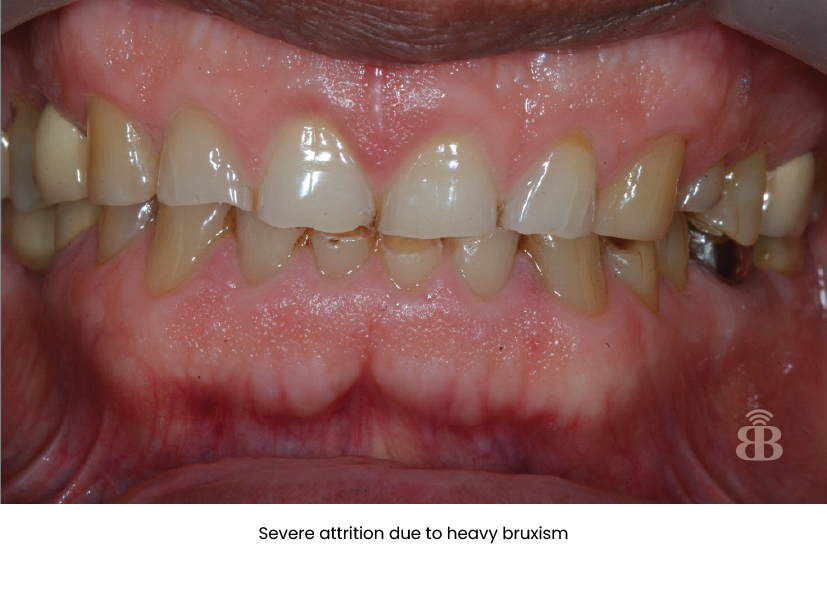
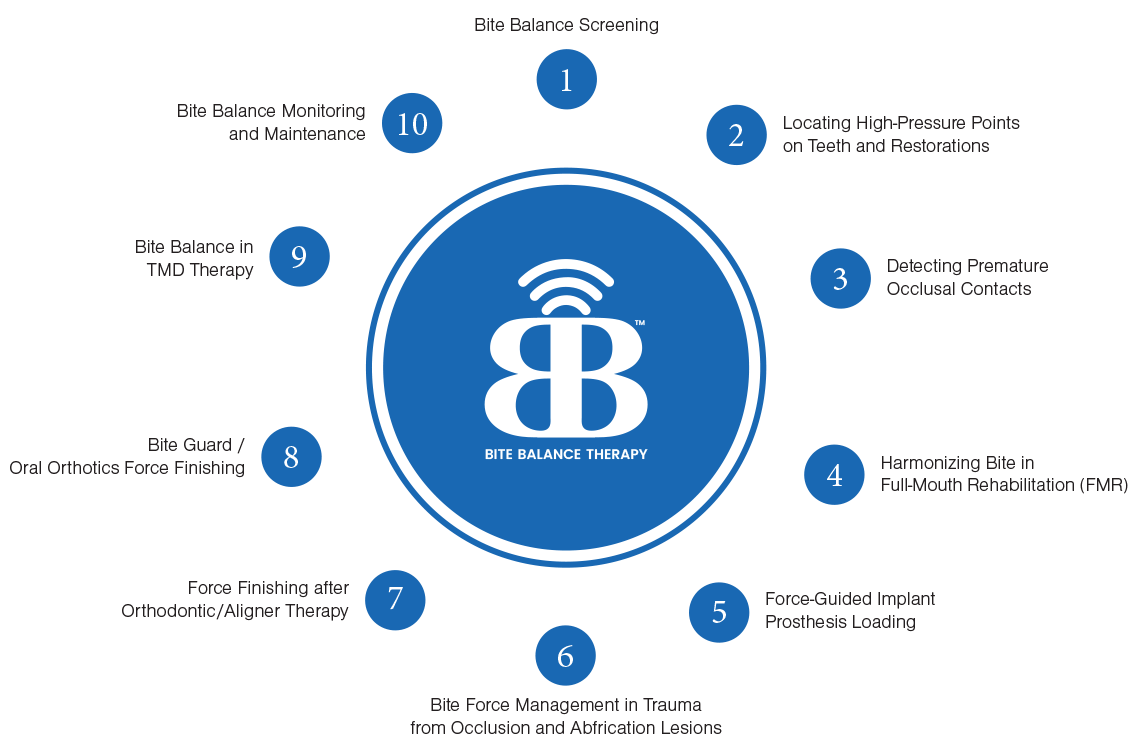
Bite Force Management in Trauma from Occlusion and Abfraction Lesions
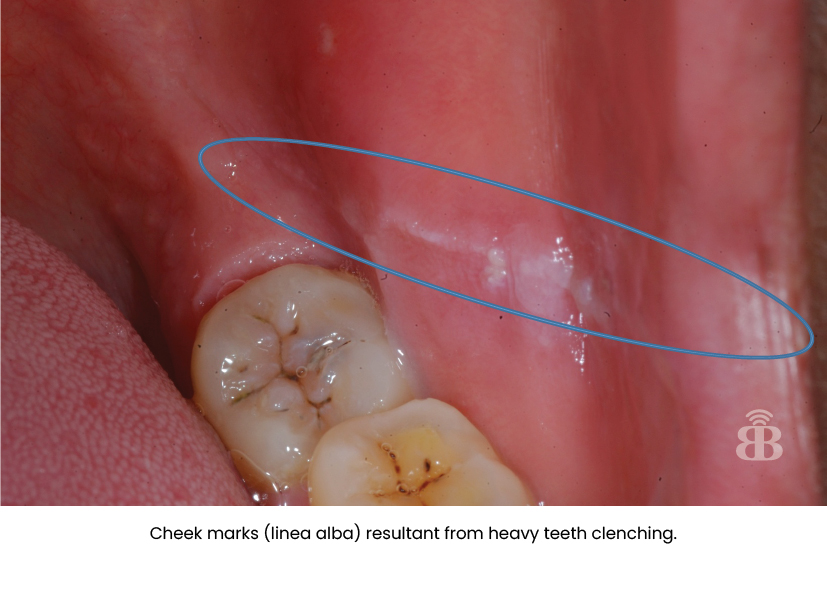
Bite Force Management in Trauma from Occlusion and Abfraction Lesions
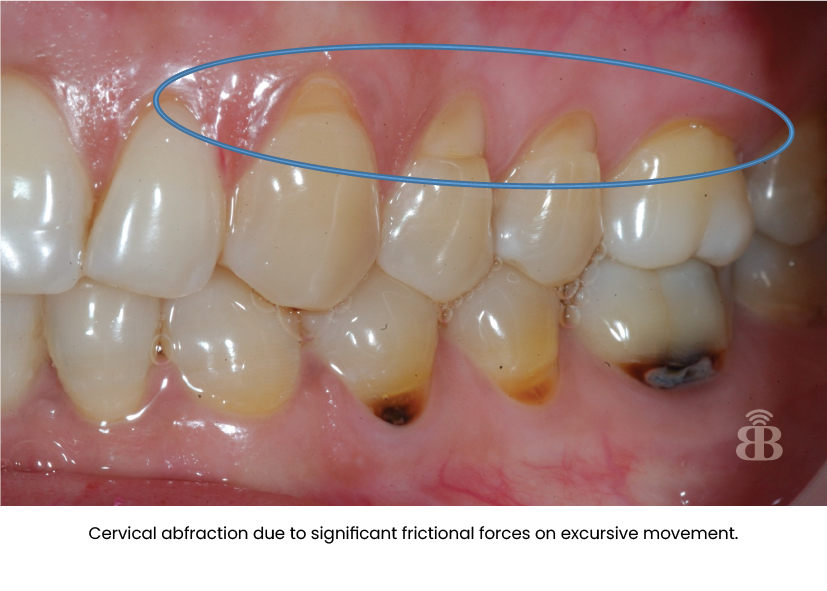
Bite Force Management in Trauma from Occlusion and Abfraction Lesions
Ask Your Dentist?
Do You Need Bite Balance Therapy?
You may want to consult your dentist about Bite Balance Therapy if you notice any of the following signs or symptoms:
Chewing & Bite Comfort
• Pain or discomfort while chewing
• One side of the mouth feels heavier when biting
• Teeth feel tired or sore after meals
Jaw Joint & Jaw Movement
• Pain near the ears or jaw joints
• Jaw clicks, pops, or feels locked
• Difficulty opening the mouth fully
Head, Face & Muscle Discomfort
• Frequent headaches without a clear cause
• Pain or tightness in the face or jaw muscles
• Waking up with facial or jaw discomfort
Tooth Wear & Dental Damage
• Teeth appear worn, flat, or chipped
• Teeth feel sensitive without cavities
• Fillings or crowns break repeatedly
Teeth Grinding & Clenching
• Grinding or clenching teeth during the day or night
• Jaw feels stiff or tired in the morning
• Others notice you grind your teeth while sleeping
Neck, Shoulder & Posture Issues
• Neck or shoulder pain with no clear reason
• Strained or uncomfortable posture
• Pain increases after long working hours
Bite Changes or Instability
• Teeth don’t fit together comfortably
• Bite feels uneven or has changed over time
• Bite feels different after dental treatment
After Dental Treatments
• Discomfort after fillings, crowns, or implants
• Bite felt uncomfortable after braces or aligners
• Feeling imbalance after tooth removal
Ear-Related Symptoms
• Ear pain or fullness without ear disease
• Ringing in the ears linked with jaw discomfort
What to Do
If you notice one or more of these signs, ask your dentist:
• “Could my problem be related to my bite?”
• “Do I need Bite Balance Therapy?”
Why This Matters
• Bite imbalance can silently affect teeth, jaw joints, muscles, posture, and comfort
• Early evaluation helps prevent long-term damage
• Bite Balance Therapy focuses on comfort, harmony, and prevention